
Woman Pretends To Be Another Person
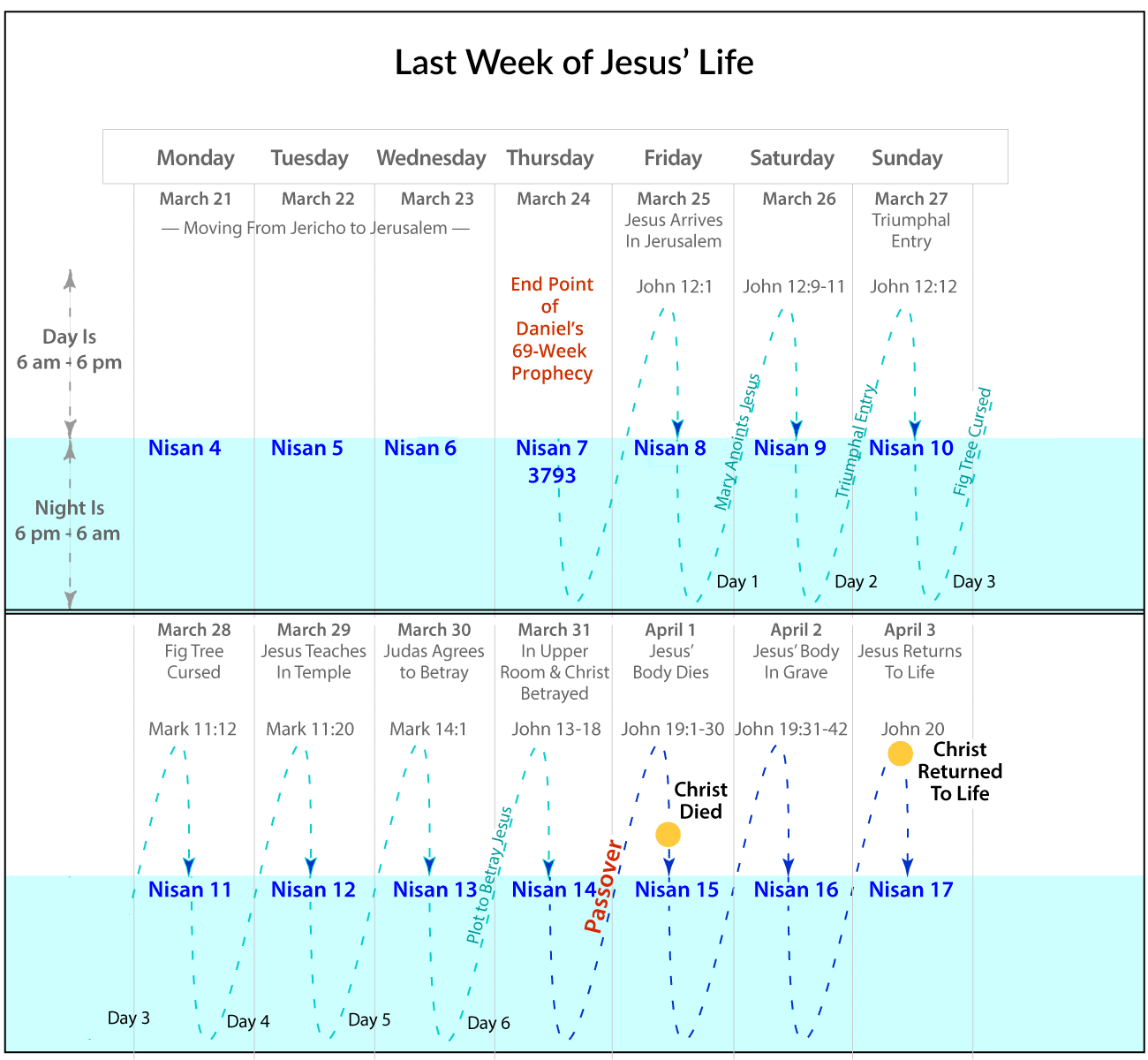
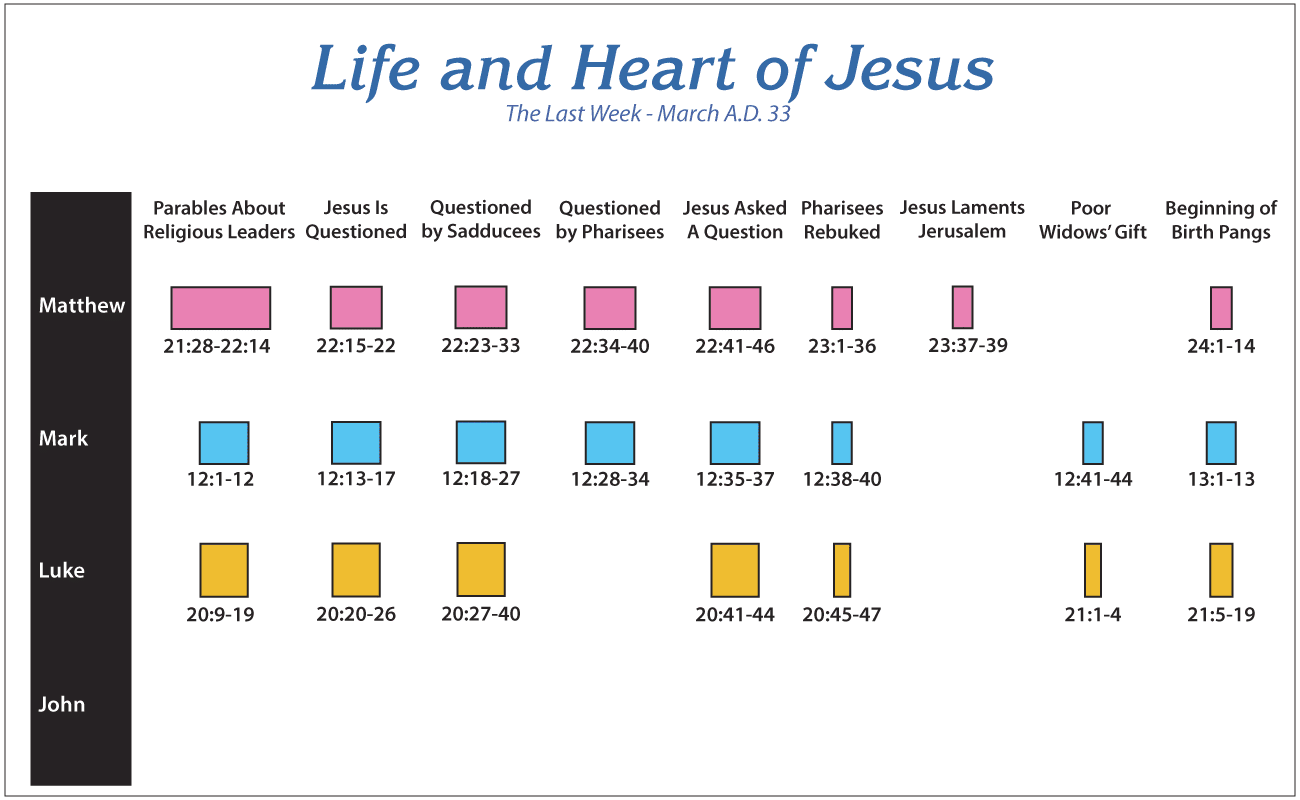
There were three groups of religious leaders in Israel at the time Jesus lived on this earth. The largest group of religious leaders were the Pharisees, followed by the Sadducees, and then the Herodians. The Pharisees were the most popular leaders among the people of Israel. Their primary responsibility was the synagogues. Among the three groups of religious leaders, the Pharisees are the ones that we encounter most frequently in the gospels. They were vicious to Jesus and the primary group that wanted to kill Him. The second group we encounter in Scripture was the Sadducees. They tended to be the aristocrats who controlled the Sanhedrin Council. Finally, the Herodians were a political group who supported King Herod. In our study, Jesus will give us five condemning characteristics of the Pharisees. They will help us identify leaders today that we should avoid. They will help existing leaders determine if they are truly qualified to be an elder or a pastor of a church. These characteristics will also apply to every member of a church. The date of the events in this study is Tuesday, 29 March 2025. Most likely, Jesus spoke these words late in the afternoon. Our study is from Matthew 23:1-12; Mark 12:38-40; and Luke 20:45-47.
Pharisees Claim To Speak For God
We will follow the record given to us by Matthew 23:1-12 because Mark 12:38-44 and Luke 20:45-47 are very short. The Matthew account gives us much more detail. Also, Mark 12:38-45 and Luke 20:45-47 are essentially identical. We begin with verses 1-3 from Matthew 23.
Then Jesus spoke to the crowds and to His disciples saying: “The scribes and the Pharisees have seated themselves in the chair of Moses; therefore all that they tell you, do and observe, but do not do according to their deeds; for they say things and do not do them.” Matthew 23:1-3 (NASB)
The first word in verse 1 is “then.” It connects us back to the previous chapter. There we discovered that Jesus had just ended a discussion with the Sadducees and Pharisees by asking them a question which they could not answer. At the end of the chapter, we are told that,
“No one was able to answer Him a word, nor did anyone dare from that day on to ask Him another question.” Matthew 22:46 (NASB)
It was a turning point. After this, Jesus did not have a discussion with the Pharisees again until Thursday night, when He was betrayed by Judas and arrested. They had witnessed Jesus’ signs and healings. Nevertheless, rather than repenting of their sins and believing in Jesus, they had rejected Him. Killing Him is now their goal.
When we come to verse 1 of chapter 23, Jesus warns the disciples and the crowds about these false religious leaders by describing their characteristics. In this study, Jesus is going to give us five characteristics of the Pharisees. In the next section, He will share seven woes describing them.
In this study, Jesus tells the crowds and His disciples, “The scribes and the Pharisees have seated themselves in the chair of Moses.” Archaeology has shown that there was an actual seat or chair in the synagogues that was called the Seat of Moses. Archaeologists have found a seat of Moses in a synagogue in the city of Chorazin. During the synagogue service, the lead teaching Pharisee would sit down on that seat to teach from the Old Testament. It was believed that his authority to teach was inherited from Moses. They claimed that they were like Moses and were authorities of Scripture. So, this gives us the first characteristic of these religious leaders. They considered themselves to be God’s appointed biblical authorities.
Today, a similar situation exists in the Roman Catholic Church where the pope claims that his authority extends from the apostle Peter.
This characteristic also exists in the leaders of some churches today. The pastor-teacher and the elders are considered to be the authority on the Scriptures. I know of pastors who expect their leadership team to obey them because they are the Bible-scholar of the church.

Seat of Moses In the Chorazin Synagogue
Pharisees Pretended To Be Spiritual
Then in verse 3, Jesus told the crowds and disciples that they were to obey what the scribes and Pharisees told them to do, but they were not to follow their ungodly conduct. In our study, “What Is The Greatest and Foremost Commandment?” we learned that a scribe was an expert on the Scriptures. He was like a seminary professor. We also learned that a scribe could be a Pharisee. But Jesus could not have meant that the people should obey teachings of the scribes and Pharisees that were false. Jesus would never do that because He is going to be warning the people about these false teachers in the next study. Therefore, we are to understand Jesus urged them to obey only what was biblically true and avoid following their conduct. When Jesus said this, He urged them to follow the principle given to us in Ezra 7:10 where we are told,
For Ezra had set his heart to study the law of the LORD and to practice it, and to teach His statutes and ordinances in Israel. Ezra 7:10 (NASB)
That is, Ezra studied the law, practiced it, and then taught it. He practiced what he read and what he then taught. It reminds us of James 1:22 which says,
But prove yourselves doers of the word, and not merely hearers who delude themselves. James 1:22 (NASB)
It is a tragedy that some preachers and teachers are like the Pharisees. They are hypocrites who pretend to be spiritual. For they read, study, and preach a great message, but may not be spiritual men. The preaching of such men results in a congregation that lacks spiritual growth. They might have great head knowledge, but are like the Pharisees full of pride and man–made rules for supposed spirituality. They are like clouds without water offering a hope of spiritual growth, but there is none! This gives us the second characteristic of these religious leaders. They were not true spiritual leaders; they only pretended to be. They did not even practice what they taught the people in the church to do. Sadly, this is also true of some elders and pastors in churches today.
Pharisees Imposed Man-Made Rules
Next, Jesus warned the people about two things,
They tie up heavy burdens and lay them on men’s shoulders, but they themselves are unwilling to move them with so much as a finger. Matthew 23:4 (NASB)
Next, Jesus warned the people that the scribes and Pharisees tied up heavy burdens or in other words, created unbiblical rules for the people to follow. That is, the Pharisees created rules that we cannot find in Scripture that were supposed to help people not violate a command or principle that was given in Scripture. For example, in order to help the people not break the fourth of the Ten Commandments which prohibited working on the Sabbath, the Pharisees said grain could not be plucked on the Sabbath. They also prohibited healing on the Sabbath, even if a person was sick (Matthew 12:10). During Jesus’ ministry, He revealed that these man-made rules were not spiritual nor biblical because they had added rules that cannot be found in Scripture (Matthew 12:1-14). The Pharisees had created so many rules it must have been impossible to keep all of them. For example, the Mishnah was documented about A.D. 200. It has a total of over 4,000 rules. The exact number varies from source to source. The exact number does not really matter since even 4,000 rules are impossible to keep. So, the first point that we should notice is that the Pharisees had created an enormous number of rules with good intentions for everyone to keep, but ignored the fact that they violated Scripture. The rules were unbiblical. Supposedly, keeping these rules was supposed to help the people gain eternal life. But God never created these rules as a means to gaining heaven. That is why Jesus said they had tied up heavy-burdens upon the people. We should remember that Jesus said,
“Come to Me, all who are weary and heavy-laden, and I will give you rest. Take My yoke upon you and learn from Me, for I am gentle and humble in heart, and YOU WILL FIND REST FOR YOUR SOULS. For My yoke is easy and My burden is light.” Matthew 11:28-30 (NASB)
Eternal life is not gained by keeping a list of rules but by placing one’s faith in Jesus Christ. So, the scribes and Pharisees had a wrong understanding of eternal life and they burdened the people with rules that would not save them and were unbearable to keep. This gives us the third characteristic of these religious leaders. It flowed from their belief that they were to be God’s appointed biblical authorities. As a result, they imposed their own man-made standard of spirituality upon the people.
Sadly, many church leaders and churches today have created their own unbiblical and supposedly spiritual rules for their members to follow! While the rules are not intended to save, keeping these unbiblical rules is considered a standard of spirituality.
Pharisees Lacked Love and Care
The next thing we should notice from Jesus’ comment is that the Pharisees did not truly love or care for the people. They expected the people to keep their rules, but they themselves did not want to keep them! Notice that Jesus said the scribes and Pharisees were,
“But they themselves are unwilling to move them with so much as a finger.” Matthew 23:4b (NASB)
The important word is “unwilling.” They did not want to keep their own rules! Yet they imposed them upon the people! We should ask ourselves, “Who could keep all of their rules anyway?” So, Jesus’ last statement in the verse is stunning. These phony spiritual leaders created unbiblical laws for the people to keep, and in so doing revealed that they did not love or care for the people. This gives us the third and fourth characteristics of these religious leaders. They were authoritarian, unloving, and uncaring individuals.
In some churches, leaders can create high expectations with even a small number of unbiblical rules. But they may not conform to the very rules they establish for their members.
Pharisees Were Proud and Arrogant
The fifth characteristic of the scribes and Pharisees is given to us in the remaining eight verses of our study. We will start with verse 5,
“But they do all their deeds to be noticed by men; for they broaden their phylacteries and lengthen the tassels of their garments.” Matthew 23:5 (NASB)
Jesus now gives us a sweeping condemnation of these leaders. If we think about gossip and slander, we could ask why did Jesus say this since He is making very negative comments about them. He did it to warn the people to not follow these leaders. Jesus said they were unbelieving false teachers who had deceived the people into believing they were spiritual men. The proof they were evil was their conduct. Jesus had already warned the crowds and His disciples that these leaders claimed authority that only belonged to God. Supposedly, they were like Moses. They also pretended to be spiritual, imposed man-made rules on the people, and lacked love for the people. Now Jesus warns the people about the motives of these leaders. They were focused on glorifying themselves. Wrong motives result in wrong behaviors. We have already seen some of their behaviors.
Now Jesus gives us some examples that reveal their wrong motives. The first example is that they would make their phylacteries wider. The phylacteries were small black leather boxes that contained very small scrolls with Exodus 13:2-16; Deuteronomy 6:4-9, and Deuteronomy 11:13-21 written on them. The verses challenged the people to dedicate their firstborn to the Lord, to teach the Scriptures, to remember the Scriptures, and to meditate on the benefits of obedience.
Strips of leather connected to the small black boxes so that the boxes could be attached to the left or right arm and the forehead. They wore the phylacteries because they interpreted Deuteronomy 6:8 and 11:18 literally and not figuratively. So, Jesus’ point was that they made them larger so that people would think that they were very spiritual individuals.
We are told that the people were to attach tassels to the hems of their garments because Numbers 15:38-40 commanded that this be done. The tassels were to be a reminder that they were to obey the Lord’s commands and not follow their own heart and eyes. The tassel on each corner of their cloak was to also contain a blue thread. Matthew 9:20-21 reveals that Jesus had tassels on His cloak. A woman suffering from a hemorrhage touched the “fringe of His cloak.” But the scribes and Pharisees sinned by wanting the people to think that they were exceedingly spiritual. So, they made their tassels longer so that people would be impressed with their spirituality.
Similar situations exist today among some pastors and church leaders. Pastors of large churches often remind everyone about how large their church is. It is so common that people are not surprised when some pastors struggle with pride. Or they remind the people that they were invited to speak at some well-known pastor’s church. On one occasion a church elder was asked to lead a Saturday Morning Men’ Bible study. Throughout the study this elder kept reminding the men that the pastor had asked him to do the teaching. As we say, it was “a feather in his hat” that the pastor asked him to teach. Pride is not limited to the man in the pulpit; it resides in the hearts of many leaders. They do things to be noticed of men.
Then in verses 6-7, Jesus said,
They love the place of honor at banquets and the chief seats in the synagogues, and respectful greetings in the market places . . . Matthew 23:6-7a (NASB)
It is not difficult to understand why the scribes and Pharisees wanted certain places of honor, the best seats in the synagogues, respectful greetings, and to be called Rabbi. Most people would enjoy those signs of respect. They felt privileged and respected. Many years ago, it was common for pastors and members of their staff to sit in chairs behind the pulpit on the platform in the sanctuary. It was obvious that those were the places of honor. Some individuals liked to sit on the front row during the church service so that the pastor might notice them. Jesus’ message is that these Jewish leaders were very proud individuals.
Mark 12:38-40 and Luke 20:45-47 give us some additional information that the Matthew passage does not. They are almost identical in wording in the NASB. The Mark passage states,
In His teaching He was saying: “Beware of the scribes who like to walk around in long robes, and like respectful greetings in the market places, and chief seats in the synagogues and places of honor at banquets, who devour widows’ houses, and for appearance’s sake offer long prayers; these will receive greater condemnation.” Mark 12:38-40 (NASB)
Mark has added to Matthew’s account by stating that they wore long robes. The reference to long robes may refer to the longer tassels. Mark added something new, that is, they offered long prayers in order to appear to be more spiritual. The description of their exploitation of widows for financial profit reveals their lack of love and once again that they were very proud individuals.
Then Matthew 23:7b-10 records another important comment from Jesus, and maybe the most important.
.z. z zxc c . . and being called Rabbi by men. But do not be called Rabbi; for One is your Teacher, and you are all brothers. Do not call anyone on earth your father; for One is your Father, He who is in heaven. Do not be called leaders; for One is your Leader, that is, Christ. Matthew 23:7b-10 (NASB)
The repetitive message in this passage is that the scribes and Pharisees loved titles of honor and respect. They wanted others to know they are among the elite of Jewish society. Today, some church leaders also love their titles such as reverend, pastor, doctor, professor, Rabbi, teacher, and Father. Other titles that Jesus did not mention would be bishop, cardinal, president or chairman of the elders, and member of the synod. In every statement, Jesus made the point that God the Father and Christ are far more important. Human leaders will never have the most important title. Jesus’ message is that it is a sin to desire these various earthly titles, and those who seek to be the most important person will never be able to achieve that type of honor for it belongs to the Father and to Christ.
Conclusion
Then in verses 11-12, Jesus summarizes His message.
“But the greatest among you shall be your servant. Whoever exalts himself shall be humbled; and whoever humbles himself shall be exalted.” Matthew 23:11-12 (NASB)
Verse 11 gives every believer the principle that Jesus was giving and then a stern warning! The principle He was teaching the crowds, His disciples, and us today is that those who are truly great in God’s eyes are those who serve others. The Greek word for “great” in verse 11 is megas. it literally means “great” but in this verse it has the sense of great in rank. That is, Jesus tells us that those who serve others are the ones who are the greatest in rank. I used to say that we should turn the church organizational chart upside down. The church custodian, the church secretary, or the person whom no one sees performing their ministry because they do it out of the sight of others, behind the scenes, is the greatest. But later I realized that the greatest person is the one who serves others and does not aspire to a position of honor. Instead, he or she deflects their praise to the Lord Jesus, for 1 Corinthians 3:6-8 puts things into perspective,
I planted, Apollos watered, but God was causing the growth. So then neither the one who plants nor the one who waters is anything, but God who causes the growth. Now he who plants and he who waters are one; but each will receive his own reward according to his own labor. 1 Corinthians 3:6-8 (NASB)
Here we discover that it is God who causes everything to flourish. We are just to plant and water. We are to do the work of a slave for the kingdom. It is God the Father who accomplishes the good results. We are to serve the Father without seeking any reward for ourselves. So, we are not to steal His glory for ourselves. That is Jesus’ principle. Remember 1 Corinthians 3:8-10?
The second part is the stern warning! The warning is, “Whoever exalts himself shall be humbled; and whoever humbles himself shall be exalted.” The Greek words for “exalted” and “humbled” are very interesting. The Greek word for “exalted” is hypsoo, and it literally means “to lift up.” The Greek word for “humbled” is tapeinoo, and it literally means “to bring low.” The two words are opposites. So, it does not matter how someone wants to define the words, the idea of Jesus’ stern warning is that if you desire to be lifted up, God the Father will bring you low. Eventually, it will happen. It is the Father’s decision if He will choose to bring you up or elevate you.
So, if we combine the principle and the stern warning together, we discover that it is the one who has the attitude of serving who will be brought up, and the proud and arrogant believer is the one who will be brought low. If we think we are superior to others, we will not serve others.
So ask yourself, are you someone who desires to be the most important person in the church? Are you the church treasurer, secretary, or the worship leader who enjoys people knowing your title? So ask yourself, whatever your ministry might be, who are you serving? Your Father in heaven, others, or yourself? Your answer will reveal what type of reward you might receive!
Suggested Links:
Life of Christ - 200+ studies about the events, miracles, and teachings of JesusLast Days to the Crucifixion
What Is The Greatest and Foremost Commandment?
Is Jesus Christ the Son of King David? — the Messiah